As we prepare our next Senior Living Reputation Leaderboard, we took a closer look at the data used to generate the January leaderboard across our full dataset of 6,603 senior living communities. What we saw was a clear pattern, and one that helps explain why reputation performance often feels harder to sustain than to improve.
At a high level, more communities lost ground than gained it. But the drivers behind that trend are both understandable and, importantly, fixable.
Across all communities in our dataset:
This distribution highlights a reality that many operators intuitively feel: reputation performance tends to erode without consistent attention, even when care quality remains strong.
One of the most effective ways to maintain,or improve, an SLR Score is through a steady cadence of positive reviews. Yet January data shows that this is where many communities struggle.
That means two-thirds of communities entered the year without fresh positive feedback shaping their online presence. In practical terms, that creates two problems:
Even strong historical ratings lose influence when there’s no recent activity to reinforce them.
Because Google rating is a significant driver of the SLR Score, communities must always be working to strengthen and protect it.
That challenge becomes harder as review volume grows, but for the 413 communities (6%) with fewer than 10 reviews (and especially the 3% with five or fewer) the opportunity is much more immediate. In these cases, even a small number of new positive reviews can meaningfully improve both rating and perception.
Just as important, new positive reviews provide insulation. They soften the impact when a negative review inevitably appears, preventing a single post from disproportionately shaping first impressions.
One example illustrates how quickly perception can change when review cadence improves.
At Village Estates at Vero Beach, multiple negative reviews sat at the top of the profile. Most of these negative reviews were more than eight months old, while the most recent positive review was over a year old. The resulting impression was of a quiet, tired community with little recent affirmation.
Last month, the community received three new positive reviews. While that may seem modest, the impact was immediate:
This is a powerful reminder that reputation momentum doesn’t always require dramatic volume, it requires timely reinforcement.
Last month’s data reinforces a simple but often overlooked truth: reputation performance is dynamic. Without consistent signals, even well-run communities can lose ground. With steady cadence, perception can change faster than many expect.
This helps explain why leaderboard movement is often driven by consistency rather than spikes, and why the most competitive movement tends to occur just outside the very top tier.
As we finalize the February Reputation Leaderboard, these patterns provide important context. Rankings don’t shift randomly. They reflect many small, compounding actions at the community level and happen review by review, month by month.
We’ll continue sharing these mid-cycle insights alongside our monthly leaderboard releases to help make those movements more understandable and more actionable.
The overall industry changed little this last month, but several larger operators proved meaningful progress is still possible. Explore the latest rankings, key trends, and the brands building momentum.

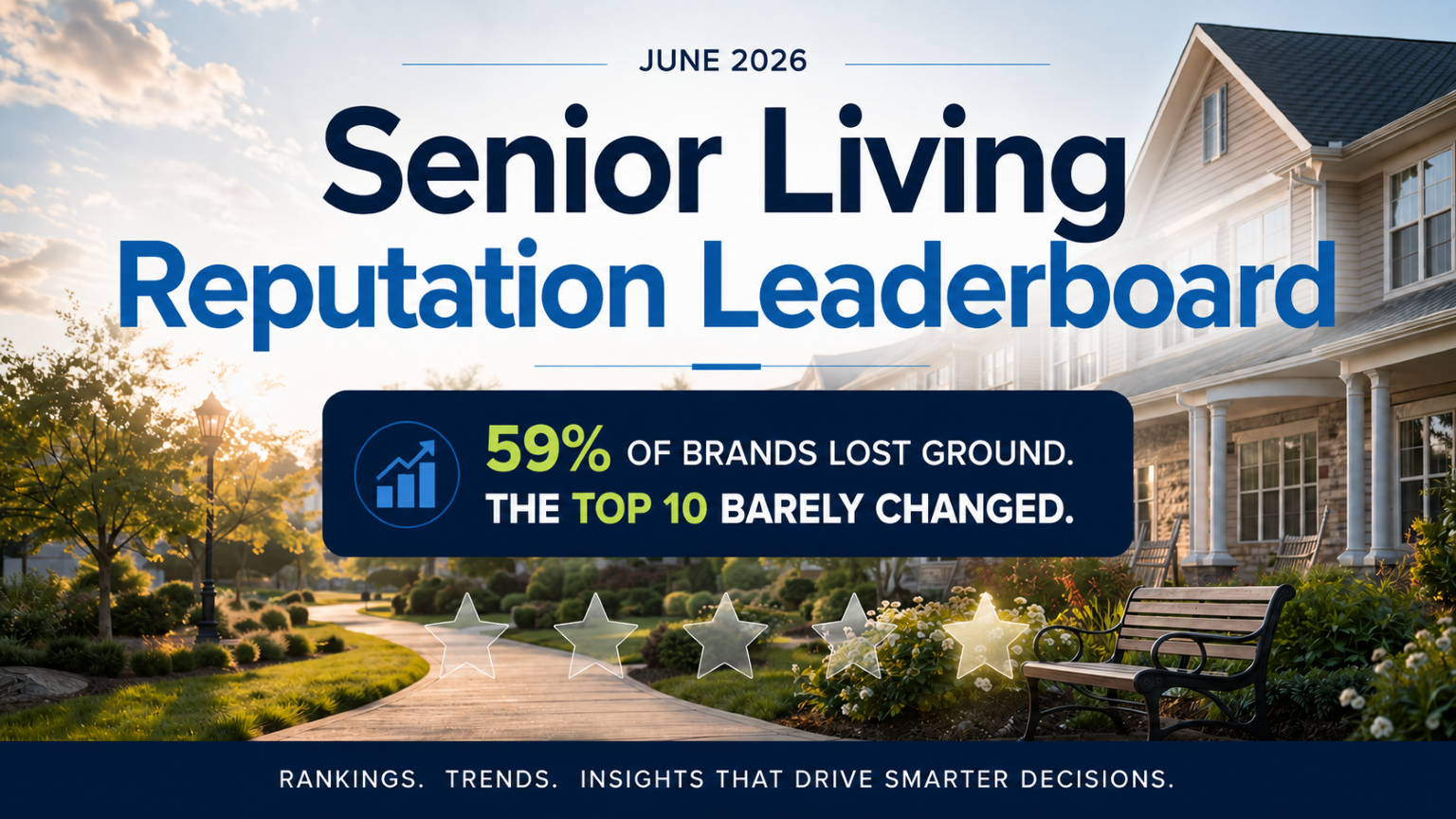
Nearly 60% of brands lost ground last month, yet the Top 10 barely changed. Explore the latest rankings, industry trends, and the operators continuing to set the pace.